
How to use ALT codes on a laptop without Num Lock and number pad
On a standard desktop keyboard, typing special symbols or characters is easy—you just hold the Alt key and punch a code into the numeric keypad. But if you are using a compact laptop without a dedicated numpad or a Num Lock key, pressing the standard top-row numbers won't do anything. Fortunately, you don't need to buy external hardware. Windows 10 and 11 feature hidden, built-in workarounds that let you input any Alt code symbol instantly. Here is exactly how to do it.
Method 1: Use the Windows Character Map
- Click on the Windows start menu button or search bar or search icon.
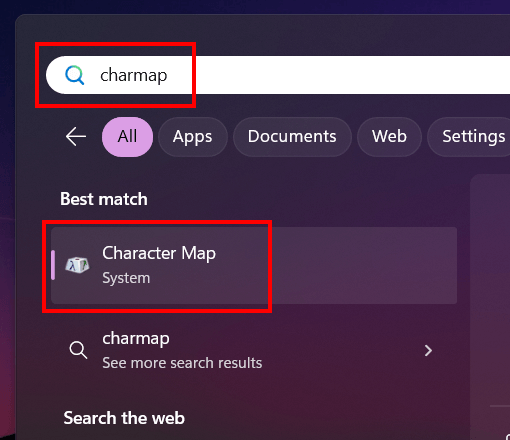
- Type charmap or character map.
-
Press Enter or click on Character Map when it appears in the search results.
-
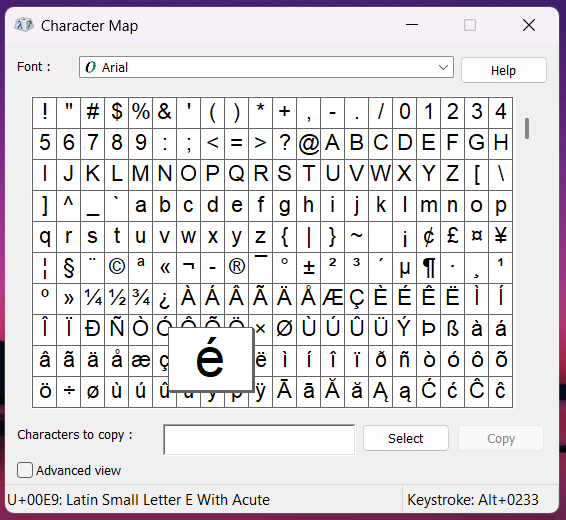
In the 'Character Map' window, you click on the character or symbol you need.
-
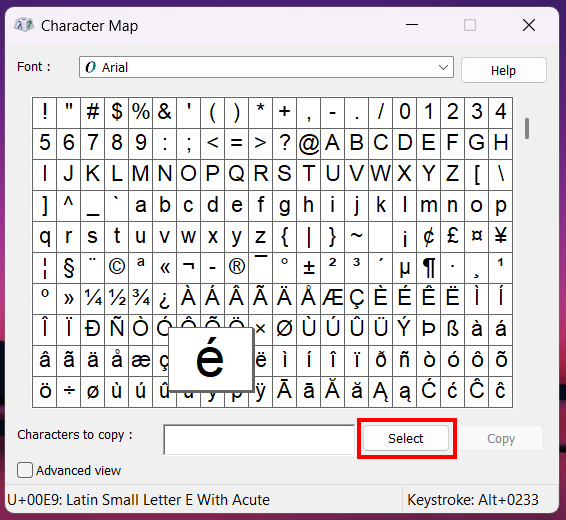
Click Select.
-
Click Copy.
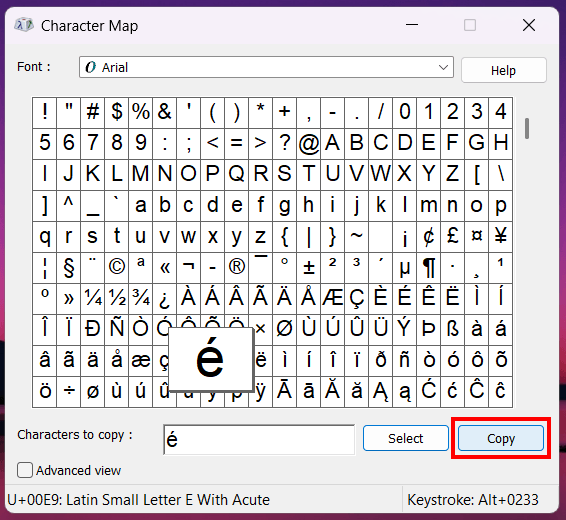
- Now, simply paste the character or symbol wherever you need it using the Ctrl + V keyboard shortcut.
This will instantly insert the copied symbol directly into your Word document, Excel spreadsheet, web browser, or text editor.
Method 2: Use the on-screen keyboard
- Open the document, spreadsheet, or web page (like Word, Excel, or your browser) where you want to use the symbol. Click inside it so your typing cursor is blinking.
- Click on the Windows start menu button or search bar or search icon.
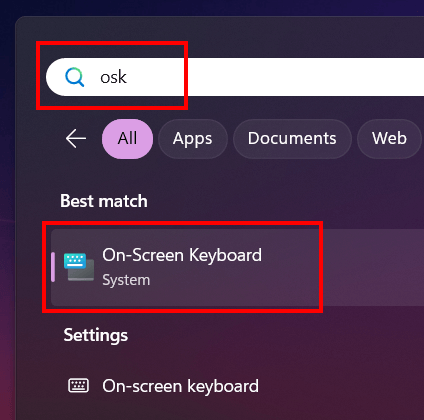
- Type osk.
-
Press Enter or click on On-Screen Keyboard when it appears in the search results.
-
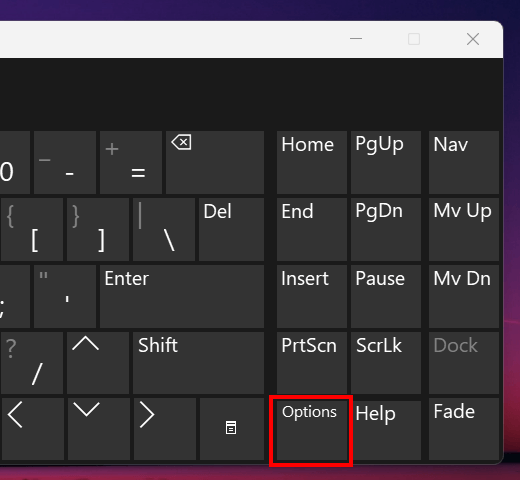
On the on-screen keyboard, click the Options key.
-
In the next window, check the box next to Turn on numeric key pad.
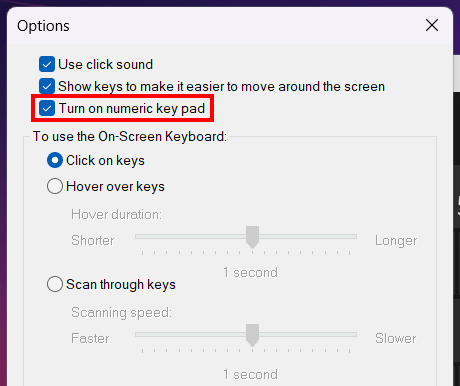
- Click OK at the bottom of the 'Options' window.
-
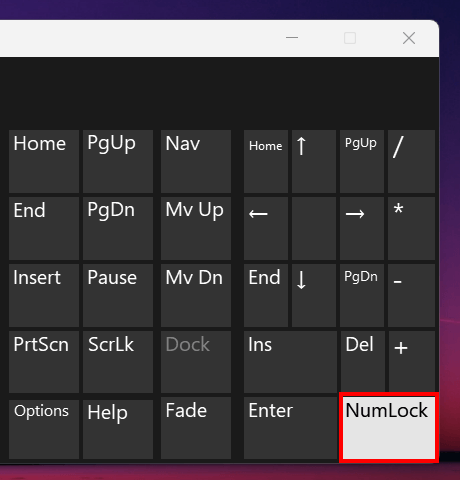
You should now see the NumLock key appear on the virtual keyboard. Click the NumLock key to turn it on.
-
Press and hold the FN + Alt keys on your laptop's keyboard.
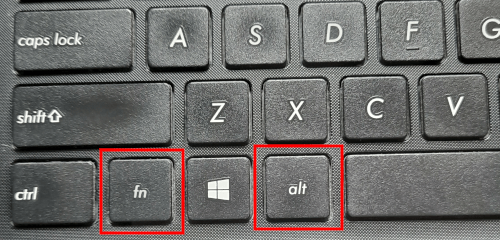
-
While holding down the physical Alt key on your laptop keyboard, use your mouse to click the digits of your ALT code on the virtual number pad.
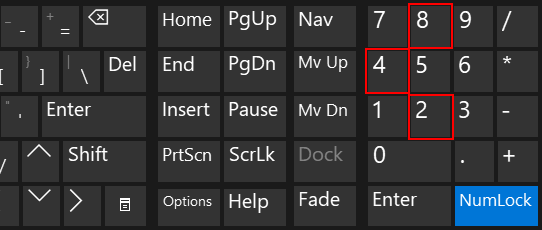
- Release the physical Alt key.
The special character or symbol will instantly appear right where your cursor is blinking. (If you need to use it in multiple places, you can now highlight it and press Ctrl + C to copy it).
Common ALT codes (quick reference)
| Symbol | Character Name | ALT Code |
|---|---|---|
| ° | Degree Symbol | ALT + 0176 |
| ™ | Trademark | ALT + 0153 |
| © | Copyright | ALT + 0169 |
| ® | Registered Trademark | ALT + 0174 |
| € | Euro Sign | ALT + 0128 |
| £ | Pound Sign | ALT + 0163 |
| • | Bullet Point | ALT + 7 |
| … | Ellipsis | ALT + 0133 |
| ± | Plus/Minus Sign | ALT + 0177 |
| ≥ | Greater Than or Equal To | ALT + 242 |
| ≤ | Less Than or Equal To | ALT + 243 |
| ≠ | Not Equal To | ALT + 8800 |
ALT codes for E with accent
| Character | Accent Type | ALT Code |
|---|---|---|
| é | Acute (most common) | ALT + 0233 |
| è | Grave | ALT + 0232 |
| ê | Circumflex | ALT + 0234 |
| ë | Umlaut / Diaeresis | ALT + 0235 |
| É | Uppercase E (Acute) | ALT + 0201 |
| È | Uppercase E (Grave) | ALT + 0200 |
ALT codes for A with accent
| Character | Accent Type | ALT Code |
|---|---|---|
| á | Acute (most common) | ALT + 0225 |
| à | Grave | ALT + 0224 |
| â | Circumflex | ALT + 0226 |
| ä | Umlaut / Diaeresis | ALT + 0228 |
| ã | Tilde | ALT + 0227 |
| å | Ring | ALT + 0229 |
| Á | Uppercase A (Acute) | ALT + 0193 |
| À | Uppercase A (Grave) | ALT + 0192 |
Related:
How to turn on Num Lock on a laptop with Windows 10 and 11